
Learn more about the effects of a sedentary lifestyle on your health. Low-fat milk can also give you room to add a small amount of sweetness without blowing up the total. If you make coffee at home, measure your milk one time with a tablespoon or a small cup. Do it once so your brain learns what “a splash” really looks like.
How Many Calories are in Alcohol?

The most important factor in weight management is energy balance, which refers to the daily number of calories you consume compared with those you burn, or expend. A coffee you sip while working can turn into a daily extra snack. The trick is that it https://ecosoberhouse.com/ doesn’t feel like “eating,” so it’s easy to forget it counts.
Inflammation and Alcohol
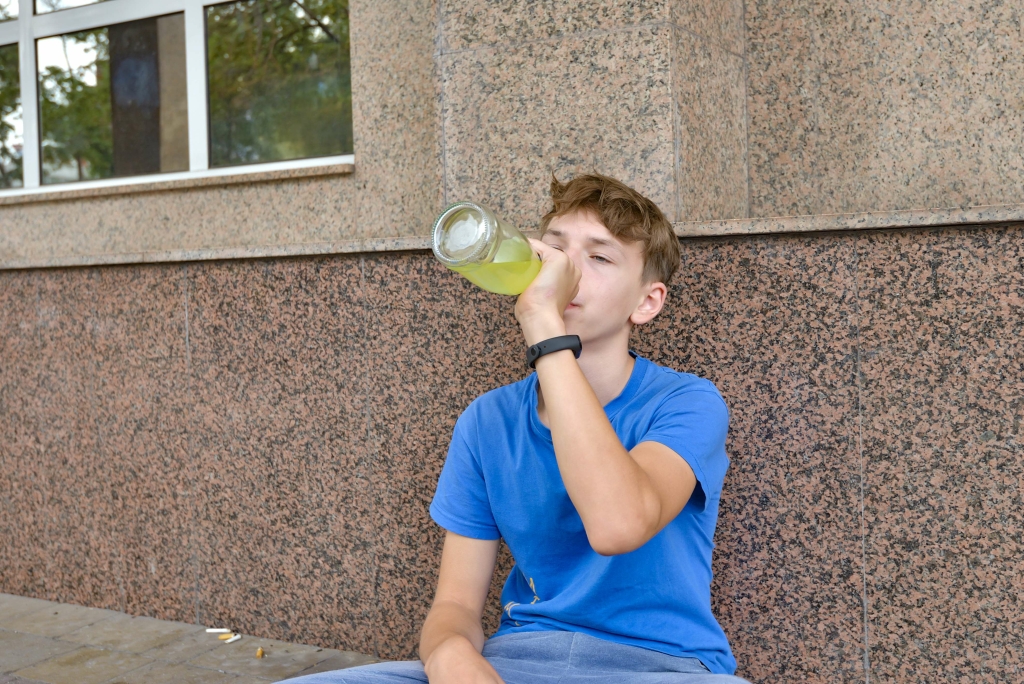
Alcohol is known to lower inhibitions, impairing the logical decision-making sections of your brain like the prefrontal cortex. That can make it easy to inadvertently consume more calories than you need. To prevent alcohol poisoning and possible death your liver focuses all its energy on metabolizing, or breaking down, the alcohol into non-toxic components. Still, an estimated 42% of Americans are obese, and 60% of Americans say they drink alcohol.
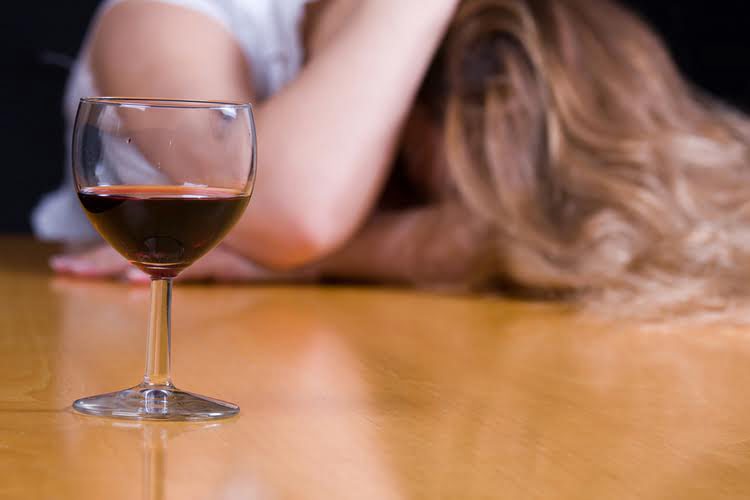
How alcohol affects your weight
Simply adding 1 tablespoon of olive oil (15 mL) of oil to sauces, salads, and during cooking can quickly add 120 calories (32). Try whole milk Greek yogurt flavored with fruit for even more calories. Cereal bars offer an affordable, tasty, and nutrient-dense source of calories for portable snacking. Just one large avocado provides around 365 calories, 30 g of fat, and 17 g of fiber (22). For example, 3 oz (85 g) of steak contains 228 calories, 24 g of protein, and around 2.5 g of leucine (7).
Appetite Increase: Drinking alcohol can stimulate hunger, leading to overeating and higher calorie intake
When you stop drinking, your body may replace one habit with another, so weight loss isn’t guaranteed. Additionally, liver disease can cause fluid retention and bloating, further contributing to weight gain. To reduce weight avoiding binge drinking can be a crucial first step toward weight loss.
Eating food before drinking alcohol can delay the onset of alcohol effects. Drinking on an empty stomach can get you drunk much faster since food primarily acts as a buffer for your body’s digestion of alcohol. The study showed that when mice were given doses of ethanol, they increased their food intake over time.
On the other hand, if they were to consume an additional pint, they would have a surplus of 250 calories, leading to fat storage. Alcohol can also impair the function of glands that release hormones, such as cortisol, which may contribute to abdominal weight gain and increased cravings for high-calorie foods. Additionally, alcohol can affect hormones that control appetite, hunger, and stress, leading to greater hunger and cravings for salty, greasy, or high-calorie does liquor make you gain weight foods. These likely include genes, hormones, diet and lifestyle, such as sleep, physical activity and stress. You gain weight when you eat more calories than you burn — or burn fewer calories than you eat. Further, studies show that alcohol temporarily inhibits “lipid oxidation”— in other words, when alcohol is in your system, it’s harder for your body to burn fat that’s already there.
- Consider exploring nonalcoholic versions of your favorite drinks and experimenting with different flavors.
- Fats and oils are some of the most calorie-dense foods on the planet (30).
- If you swap a sweetened drink for plain decaf, you cut calories without changing the amount you sip.
This can prevent the body from absorbing adequate protein and other nutrients, which are necessary for muscle growth and recovery. A healthcare professional, such as a doctor or registered dietitian, can help you explore ways to lose weight. Don’t rely on dietary supplements for help in burning calories or losing weight. Products that claim to speed up metabolism usually don’t live up to their claims.
Does Alcohol Make You Gain Weight? Answers to All Your Questions
This happens in about 5% of people, and it’s most common in women and people over 60. In addition to weight gain, it can also cause fatigue, joint or muscle pain, and depression. Medications can help, so get it checked if you think it might be an issue. To make Pina Coladas a part of your weight loss diet, it’s essential to keep portion sizes in check and balance them with a healthy, calorie-controlled meal plan. You can also try making Pina Coladas at home using lower-calorie ingredients and limiting your intake to special occasions or weekends.
According to a study published last year in JAMA Psychiatry, more Americans are drinking alcohol than before, and they are drinking greater amounts than before (see abstract). To better understand whether alcohol consumption can make you gain weight, we spoke to Anshu Chaturvedi, Head Department of Clinical Nutrition and Dietetics, Fortis Escorts Hospital, Jaipur. You’re more likely to lose weight by combining alcohol reduction with healthier lifestyle choices. Alcohol can also affect your digestion, nutrient intake, and fat-burning capabilities. Along with that, it can also disrupt sleep and testosterone production, increasing weight drug addiction gain.